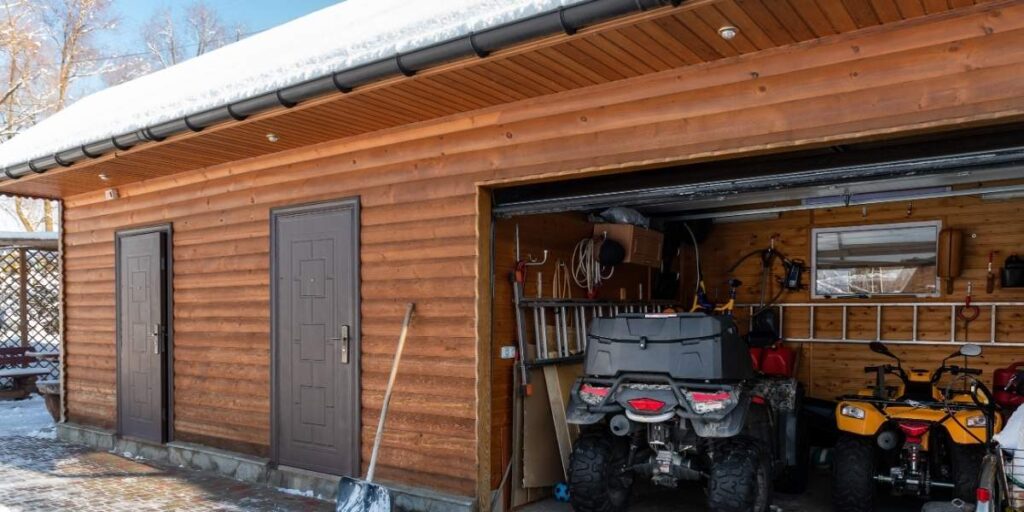
Winter brings freezing temperatures, snow, ice, and constant moisture—all of which place serious stress on residential garage doors. While many homeowners focus on heating systems and pipes during the colder months, the garage door is often overlooked until something goes wrong. Unfortunately, winter weather can expose weaknesses in even well-maintained garage door systems, leading to unexpected breakdowns, safety issues, and expensive repairs.
Garage doors are large mechanical systems with moving metal parts, electronic components, and weather-sensitive materials. When temperatures drop, metal contracts, lubricants thicken, and moisture finds its way into small openings. Over time, these conditions can interfere with smooth operation, strain the opener, and reduce the lifespan of critical components. A garage door that worked perfectly in the fall may struggle to open or close once winter sets in.
Understanding how winter weather affects garage doors allows homeowners to take practical steps before small problems grow into major ones. With the right care, routine checks, and a few seasonal adjustments, many cold-weather issues can be avoided. Proper preparation not only protects the garage door system but also improves home safety, energy efficiency, and peace of mind throughout the winter season.
Cold Temperatures and Metal Contraction
Metal components such as springs, rollers, hinges, and tracks are highly sensitive to temperature changes. During winter, cold air causes metal to contract, which can lead to misalignment or added tension in the system. Torsion springs, in particular, become more brittle in freezing conditions and are more likely to snap if already worn.
When metal parts tighten up, the garage door may feel heavier, move unevenly, or produce unusual noises. This extra strain forces the opener to work harder, increasing wear on the motor. Regular inspections and cold-weather-rated lubrication help keep parts moving smoothly and reduce stress caused by temperature-related contraction.
Moisture, Ice, and Rust Formation
Winter often brings snow, sleet, and freezing rain, all of which introduce moisture into the garage door system. When moisture settles on metal components and temperatures drop, ice can form along tracks, rollers, and seals. Even small amounts of ice can block smooth movement and prevent the door from closing properly.
Moisture also promotes rust, especially on older doors or systems without protective coatings. Rust weakens metal over time and can lead to seized rollers or compromised tracks. Keeping the garage interior dry, clearing snow buildup, and wiping down wet components after storms helps limit corrosion and ice-related issues.
Weather Stripping Damage and Energy Loss
Weather stripping plays a major role in keeping cold air, moisture, and debris out of the garage. In winter, rubber and vinyl seals can stiffen, crack, or pull away from the door due to freezing temperatures. When seals fail, cold drafts enter the garage and may spread into the home, increasing heating costs.
Damaged weather stripping also allows water to seep inside, raising the risk of ice and rust. Checking seals along the bottom and sides of the door and replacing worn sections helps maintain insulation and protects the system from further weather exposure.
Garage Door Openers Under Winter Strain
Garage door openers are designed to handle normal daily use, but winter conditions can push them beyond their limits. Thickened lubricants, contracted metal parts, and heavier doors caused by ice buildup all require more effort from the opener motor.
Cold weather can also affect opener sensors and remote controls, leading to delayed responses or intermittent operation. Ensuring proper lubrication, keeping sensors clean, and testing the balance of the door reduces unnecessary strain on the opener and supports consistent performance throughout winter.
Track Alignment and Debris Buildup
Snow, ice, and road salt often find their way into garage door tracks during winter. Debris buildup can interfere with rollers and throw tracks out of alignment. Even slight misalignment can cause the door to bind, shake, or stop midway.
Frozen debris is especially problematic, as it may not be visible until the door jams. Regularly inspecting tracks, clearing out buildup, and keeping the area around the garage entrance clean helps prevent movement issues and extends the life of the track system.
Preventive Maintenance That Saves Money
Winter garage door problems often start small but grow costly if ignored. Preventive maintenance is the most effective way to avoid repairs during the coldest months. Seasonal inspections, proper lubrication with winter-grade products, tightening loose hardware, and testing safety features all help catch problems early.
Professional tune-ups before or during winter can identify worn springs, weak cables, or alignment concerns before they fail. Routine care reduces emergency service calls and keeps the door operating safely when winter conditions are at their worst.
Winter weather can quietly take a toll on residential garage doors, affecting everything from metal components and weather seals to openers and tracks. Cold temperatures, moisture, and ice increase stress on moving parts and expose weaknesses that may not appear during warmer months. With proactive care, most winter-related garage door issues are preventable. Regular inspections, proper lubrication, moisture control, and attention to small warning signs make a significant difference in reliability and safety.
Homeowners who prepare early and address minor concerns promptly often avoid unexpected breakdowns and expensive repairs. A garage door that operates smoothly throughout winter also helps protect the home from drafts, water intrusion, and energy loss. For professional winter maintenance, inspections, or repairs, contact Crews Garage Door Company to schedule expert service and keep your garage door dependable all season long.